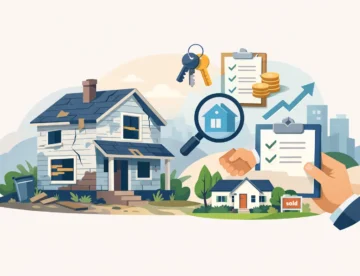
If you need to sell because of a divorce, inherited property, job change, missed payments, or a house that needs work, the cash sale closing timeline matters more than almost anything else. You are not just asking, “What is my house worth?” You are asking, “How soon can this be done, and what could slow it down?”
That is the right question.
A cash sale is usually faster than a traditional home sale because there is no mortgage lender waiting to approve the buyer, no appraisal tied to financing, and often fewer conditions to clear before closing. But fast does not mean automatic. The actual timeline depends on the property, the paperwork, and how quickly everyone involved can move.
How long is a typical cash sale closing timeline?
In many cases, a cash sale closing timeline can be as short as 7 to 14 days. Some closings happen even faster when title is clear, the seller is ready, and both sides can sign quickly. Other deals take closer to 2 to 4 weeks if there are title issues, probate questions, payoff delays, or scheduling conflicts.
That range matters because “cash buyer” does not always mean the same thing. Some buyers have funds ready and can close on your schedule. Others still need internal approvals, partner signoff, or time to line up resale plans. If speed is your priority, ask direct questions early.
A realistic timeline often looks like this: initial contact, property review, cash offer, acceptance, title work, and closing. The good news is that each step is usually simpler than a traditional listing.
What happens from offer to closing?
Day 1 to 3: Initial property review and offer
Most cash buyers start with basic information about the house, your timeline, and the condition of the property. They may ask about repairs, occupancy, mortgage balance, and whether there are any known title issues.
Some buyers can make an offer the same day. Others need a quick walk-through before they finalize numbers. If the house needs major repairs, has been vacant, or is part of an estate, that does not usually stop a cash offer. It may simply affect pricing and timing.
This is the stage where clarity helps most. If you know you need to close by a certain date, say so upfront. If you need extra time after closing to move out, mention that too. A good cash buyer will tell you what is possible instead of making vague promises.
Day 2 to 5: Agreement signed
Once you accept the offer, the purchase agreement gets signed. This is the point where the process becomes real. Compared with a traditional sale, the contract is often cleaner because there are fewer financing-related contingencies.
Still, read the agreement carefully. The strongest cash offers are usually straightforward. They explain price, estimated closing date, who pays standard closing costs if applicable, whether the property is being sold as-is, and any occupancy terms.
If something is not clear, ask. A fast closing should still feel understandable.
Day 3 to 10: Title work begins
Title work is one of the biggest factors in the cash sale closing timeline. The title company or closing attorney checks ownership records, unpaid liens, judgments, taxes, and any legal issues tied to the property.
If title is clean, this step can move quickly. If there are problems, the closing may slow down while those issues are resolved. Common examples include an old mortgage that was never properly released, unpaid property taxes, contractor liens, probate issues after a death, or ownership disputes between family members.
This is why cash sales are fast when the paperwork is simple and slower when the history is not.
Day 7 to 14: Closing scheduled
Once title is cleared and closing documents are ready, the closing date is scheduled. In many cases, you sign paperwork, the funds are sent, and the sale is complete that day or shortly after.
Some sellers assume closing means a long meeting with stacks of confusing documents. Usually it is much simpler than that. The exact process depends on your state and closing company, but the main goal is the same: sign the required paperwork, transfer ownership, and receive your proceeds.
If your situation is urgent, many cash buyers can work with accelerated timelines. Hope Community Investments, for example, focuses on fast, as-is purchases for homeowners who need a clear path forward without repairs or drawn-out negotiations.
What can slow a cash closing down?
The biggest myth about cash deals is that money alone removes every obstacle. It does remove lender-related delays, which is a major advantage. But other issues can still affect timing.
Title problems are one of the most common reasons a closing gets pushed. If a lien appears during the title search, someone has to verify it, pay it off, dispute it, or document why it should not block the sale. That takes time.
Seller paperwork can also delay things. If the home is inherited, owned by a trust, or part of a divorce, extra signatures or legal documents may be required. If one owner is out of state, unresponsive, or difficult to reach, that can add days.
Payoff statements are another factor. If you still owe money on a mortgage, the lender needs to provide an accurate payoff amount. Most do this routinely, but it is not always instant.
Then there is simple logistics. Sellers may need time to remove belongings, coordinate movers, or decide what to do with a house full of inherited contents. A buyer may be ready to close in a week, but the seller may need two more weeks to be fully out. That is not a problem if everyone is honest early.
What makes the process move faster?
Fast closings usually come down to three things: a real cash buyer, a clear title, and a seller who is ready.
A real cash buyer has funds available and a process that does not depend on lender approval. That sounds obvious, but it is worth confirming. Ask whether they are buying directly, whether proof of funds is available, and whether there are any approval steps left before closing.
Clear title helps because it allows the closing company to move straight through the file without extra legal work. If you know of any old liens, open permits, probate issues, or ownership questions, bring them up early. Surprises are what cost time.
Seller readiness matters too. If you can provide basic documents quickly, respond to questions, and make a plan for move-out, the process tends to stay on track.
Is faster always better?
Usually, but not always.
If you are facing foreclosure, behind on payments, relocating for work, or trying to settle an estate, speed can bring real relief. A shorter timeline may help you avoid more debt, reduce stress, and move on with less disruption.
But the fastest offer is not automatically the best offer. A serious buyer should also be clear, consistent, and fair. If someone pressures you to sign immediately, avoids basic questions, or gives a vague explanation of fees, take a step back.
A good cash sale should feel simple, not confusing. The point is to reduce pressure, not replace one kind of stress with another.
How to prepare for your closing timeline
If you want the sale to move quickly, gather what you can before accepting an offer. That may include your mortgage information, property tax details, photo ID, trust or probate documents if relevant, and contact information for any co-owners.
It also helps to think through your ideal move date. Do you want to close as fast as possible, or do you need flexibility? Many homeowners assume they have to choose between speed and convenience. In reality, a well-structured cash offer can often provide both.
You should also be upfront about the house condition. Water damage, roof issues, foundation problems, fire damage, or a house packed with belongings do not automatically stop a cash sale. They simply need to be accounted for honestly.
The right timeline is the one that fits your life
A cash sale closing timeline is not just a calendar. It is a practical window for solving a problem. For some homeowners, that means closing in a week. For others, it means getting a fair offer now and choosing a closing date that gives them room to breathe.
The best cash sale is not the one with the flashiest promise. It is the one that matches your situation, explains the process clearly, and follows through without adding more chaos. If you are weighing your options, look for a buyer who respects your timeline and tells you the truth about what it will take to close.