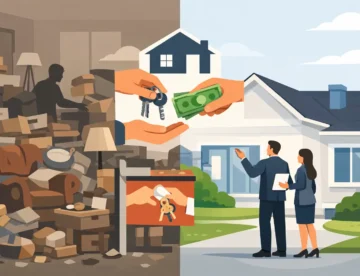
The moment you say yes to a cash offer, the biggest question is usually simple: what happens after accepting cash offer on your house? For most sellers, the answer is a relief. The back-and-forth slows down, the path gets clearer, and you move from uncertainty to a defined closing process. That said, not every cash sale works exactly the same way, so it helps to know what should happen next and where you may still need to make decisions.
What happens after accepting cash offer on a house
After you accept a cash offer, the buyer typically sends over a purchase agreement for signatures if you have not already signed one. This agreement lays out the price, the closing date, any inspection terms, whether the home is being sold as-is, and who is paying for specific closing costs. Once both sides sign, the deal moves from a conversation to a contract.
At that point, the buyer usually opens escrow or begins the title process, depending on how closings are handled in your area. In Minnesota and western Wisconsin, that often means a title company or closing company starts checking the legal history of the property. They look for liens, unpaid taxes, ownership issues, or anything else that could delay the transfer.
This is also when the timeline becomes real. One of the main reasons homeowners choose a cash buyer is speed, but speed still depends on clean paperwork, clear title, and seller readiness. If you need to move in a week, that may be possible. If you need extra time after closing or want to coordinate a probate or divorce situation, that can often be worked out too.
The contract stage is where the details matter
A cash offer can feel simple, and often it is, but the contract still deserves a careful look. The strongest cash offers are clear, direct, and light on conditions. You want to know exactly what you are agreeing to.
Look closely at the purchase price, earnest money amount, target closing date, and any contingencies. Some cash buyers buy strictly as-is with minimal demands. Others may include inspection language that gives them room to renegotiate later. That does not always mean something is wrong, but it does mean you should understand how much certainty you really have.
If the property has inherited ownership, multiple owners, or an existing mortgage, those details need to be addressed early. A good buyer will usually help identify what needs attention instead of leaving you to figure it out alone.
Title work starts behind the scenes
One of the least visible parts of the process is title work. You may not hear much for a few days, but real progress is happening. The title company confirms who legally owns the property and checks whether anyone else has a claim against it.
This step matters more than many sellers realize. If there is an old lien, unpaid property taxes, contractor dispute, or an issue from an estate transfer, it has to be resolved before closing can happen. Cash does not erase title problems. It just removes the mortgage lender from the equation.
The good news is that many title issues are fixable. Some are minor and can be cleared up with paperwork. Others take longer, especially if a deceased owner is still on title or a missing document has to be located. If your sale is tied to a stressful life event, this is one reason an experienced buyer can make a real difference.
You may still have an inspection or walkthrough
Many homeowners assume cash means no inspection at all. Sometimes that is true, but not always. Some buyers want a quick walkthrough or basic inspection so they can confirm the condition of the property before closing. That is especially common if they made the offer based on photos or a short visit.
If you are selling as-is, that should mean you are not expected to make repairs. Still, the buyer may want to verify major issues like foundation damage, water intrusion, roof problems, or unsafe conditions. The key question is not whether they look at the house. The key question is whether the contract allows them to lower the price or cancel based on what they find.
This is where sellers sometimes get frustrated. A buyer may sound certain upfront, then come back asking for a discount. That does not happen with every cash buyer, but it happens enough that it is worth asking direct questions before you sign.
Paperwork you may need to provide
After accepting the offer, you may be asked for a few documents and basic property information. This can include proof of identity, mortgage payoff information, utility details, HOA information if applicable, and any documents related to trusts, probate, or divorce.
If the property is inherited, the paperwork can be more involved. You may need death certificates, court documents, or proof that the estate has authority to sell. If you are behind on payments or facing foreclosure, timing becomes more urgent and payoff numbers need to be accurate.
This part can feel overwhelming if life is already complicated. The easier process is usually the one where the buyer or title company tells you exactly what is needed, one step at a time, instead of burying you in vague instructions.
Closing can happen faster than a traditional sale
A traditional retail sale often takes weeks or months because of showings, buyer financing, appraisal requirements, inspection negotiations, and lender delays. A true cash sale removes several of those steps.
That is why many cash deals close in as little as seven to fourteen days, though some take longer depending on title, occupancy needs, or seller circumstances. If you need a flexible closing date, this is often one of the biggest advantages of working with a direct buyer. The goal is not just speed for speed’s sake. The goal is matching the sale to your situation.
For example, if you are relocating for work, speed may be everything. If you are helping a family member move into care, you may want a fast close but a little extra time to clear out the house. If you are going through divorce, both parties may need time to sign and coordinate. A good cash sale leaves room for real life.
What happens at closing
Closing is the final step where ownership transfers and funds are distributed. You will sign the required documents, the title company will handle the transfer, and any mortgage or liens that must be paid off will come out of the sale proceeds.
If there are seller closing costs, they are settled here as well. In many direct cash sales, the cost structure is simpler than a traditional listing because there are no agent commissions and fewer moving parts. Still, every deal is different, so it is smart to ask for a clear breakdown before closing day.
Once everything is signed and funded, you receive your net proceeds. Depending on the closing company and your preference, that may happen by wire transfer or check. Then the sale is done.
When you get paid and move out
Most sellers want to know two practical things: when do I get my money, and when do I have to be out? Usually, funds are released once the transaction records and the title company completes final processing. In many cases, that is the same day or very shortly after closing.
Move-out timing depends on the agreement. Some sellers leave before closing. Others close first and move out within a short agreed period. If you need extra flexibility, bring that up early. It is much easier to work out occupancy terms before the paperwork is final.
This matters if the house is full of belongings, if family members are involved, or if the property has been emotionally hard to deal with. A fast sale should reduce stress, not pile more on.
What to watch out for after accepting a cash offer
The biggest risk after accepting a cash offer is assuming every cash buyer works the same way. Some buyers are well-funded, experienced, and ready to close. Others tie up properties under contract and then try to renegotiate, assign the deal, or walk away.
A few signs to pay attention to are vague timelines, missing earnest money, unclear inspection terms, and inconsistent communication. If the buyer cannot explain the process clearly, that is usually a warning sign. The best transactions feel straightforward because they are straightforward.
This is also why local experience matters. A buyer who understands your market and regularly handles distressed, inherited, or time-sensitive properties is more likely to keep the process moving when something unexpected comes up.
If you are selling to a company like Hope Community Investments, the process should feel direct: clear offer, clear contract, clear timeline, and no pressure to make repairs or prep the home for sale.
The real benefit is certainty
When homeowners ask what happens after accepting cash offer, they are often really asking something deeper: can I finally stop worrying? In the right deal, yes. The house is no longer sitting in limbo. You are not waiting on showings, lender approvals, or a buyer who may disappear after inspection.
There can still be paperwork. There can still be title issues to solve. And sometimes there are personal decisions that take time. But if the offer is real and the buyer is prepared, the process becomes much more manageable.
That is what most sellers need most in a hard season – not more drama, just a clear next step and a closing date they can count on.