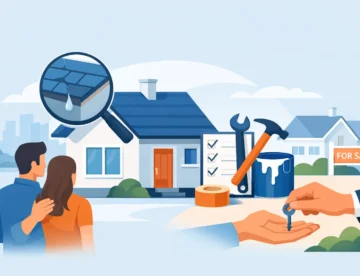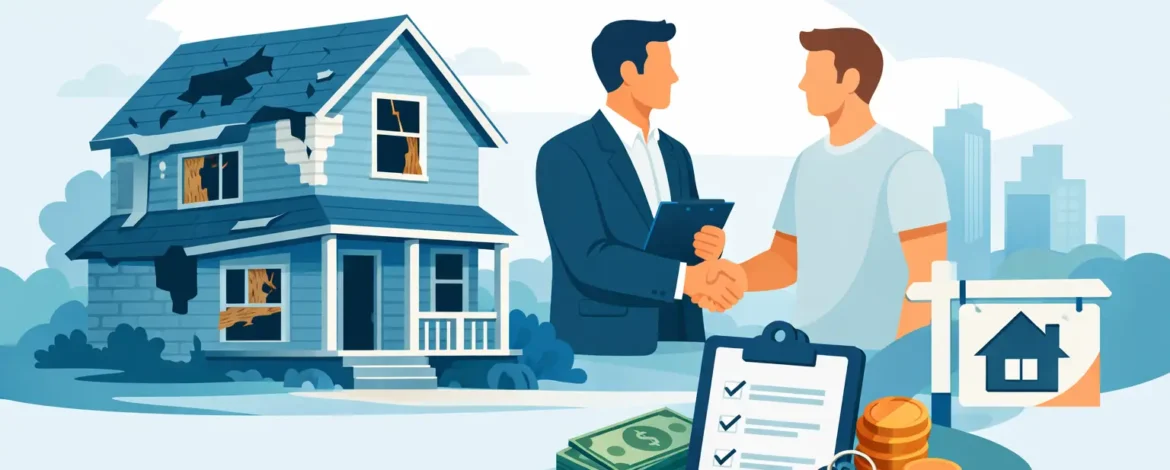
A damaged house can go from stressful to overwhelming fast. Maybe the roof leaks, the foundation has shifted, there was a fire, or years of deferred maintenance have piled up all at once. If you’re trying to figure out how to sell damaged house property without pouring more money into it, the good news is simple: you still have options, and you do not have to fix everything first.
The right path depends on your timeline, your budget, and how much uncertainty you can tolerate. Some homeowners have time to clean the place up, make selective repairs, and list it. Others need a cleaner exit – fast, as-is, and with fewer moving parts. When the house itself is already a problem, a complicated sale usually makes things worse, not better.
How to sell a damaged house without making things harder
The biggest mistake sellers make is assuming they have only two choices: spend a lot on repairs or give the property away at a deep discount. In reality, there is a middle ground. You can sell a damaged house by matching the sale method to the condition of the property and the urgency of your situation.
If the damage is mostly cosmetic, a traditional listing may still work. If the damage is structural, involves insurance issues, code violations, water intrusion, mold, fire loss, or a house full of personal property, retail buyers often get nervous. Their financing may fall through. Their inspection period may drag on. What starts as interest can turn into repair demands, price cuts, and a delayed closing.
That is why speed matters, but certainty matters too. A fast offer does not help much if the buyer backs out after an inspection. A higher contract price does not help much if you spend months carrying the house, paying taxes, utilities, insurance, and cleanup costs while waiting.
Start with the real condition of the house
Before you decide how to sell, be honest about what you are dealing with. That does not mean you need a full renovation plan. It means you should understand whether the house has cosmetic wear, major system problems, structural damage, or safety concerns.
A house with stained carpet, old cabinets, and peeling paint is in a very different category than a house with a cracked foundation, smoke damage, or active plumbing leaks. Buyers treat those properties differently, and so do lenders.
It also helps to separate visible damage from hidden risk. A sagging ceiling may point to an old leak, but buyers may assume mold, rot, or electrical problems behind the walls. The more unknowns a property has, the smaller the buyer pool becomes. That is one reason damaged houses often sit longer on the market unless the price is adjusted to account for the risk.
Your main options for selling a damaged house
For most homeowners, there are three realistic ways to go.
The first is to repair the property and list it on the open market. This can produce the highest sale price on paper, but it also requires money, time, and patience. If contractors are delayed, costs rise, or more damage is uncovered, your timeline can slip quickly. This option makes the most sense when the damage is manageable and you are not under pressure.
The second is to list the property as-is with an agent. This can work if the house is still financeable and the issues are not severe enough to scare off most buyers. You may still need cleaning, some prep work, and flexibility for showings and inspections. Even in an as-is listing, buyers often try to renegotiate once they get inspection reports back.
The third is to sell directly to a cash buyer. For many homeowners dealing with a damaged property, this is the simplest route. A direct buyer is typically focused on the property’s current value, repair costs, and resale potential. That means the condition is already part of the calculation. You do not have to repair the house, stage it, or keep it show-ready. If your priority is speed and certainty, this option often fits best.
When a cash sale usually makes the most sense
If the house needs major repairs and you do not want to fund them, a direct cash sale can remove a lot of friction. The same is true if you inherited a property you do not want, are going through a divorce, need to relocate, are behind on payments, or simply want to be done.
In those situations, the ideal sale is not always the one with the highest possible top-line price. It is the one that gets you to the finish line with the fewest delays, surprises, and out-of-pocket costs. That is especially true if the property is vacant, attracting complaints, or becoming a safety issue.
A local company like Hope Community Investments can often evaluate the house quickly, make a fair cash offer, and close on your timeline. That kind of flexibility matters when life is already complicated enough.
What affects the value of a damaged house
If you are wondering why offers vary so much, it usually comes down to repair scope, resale risk, and holding costs. A buyer is not just looking at what the house could be worth fixed up. They are also looking at what it will cost to get there and how long that process may take.
Structural issues, outdated electrical, failed sewer lines, mold, water damage, and fire damage usually have a bigger impact than cosmetic wear. Location still matters a lot. A damaged house in a strong neighborhood may attract more interest than a lightly dated house in a weaker market.
Your timeline can affect value too. If you need to close in a week, you may choose a lower offer with fewer conditions over a higher one loaded with uncertainty. That is not a bad decision. It is a practical one.
How to avoid common mistakes
One common mistake is spending money on repairs that do not meaningfully raise the sale price. Sellers often replace flooring, patch walls, or repaint, only to find that the real issue was the roof, the foundation, or the age of the mechanical systems. If the buyer is already planning a bigger renovation, your smaller updates may not matter much.
Another mistake is underestimating disclosure requirements. Even if you sell as-is, you still need to be truthful about known defects. As-is does not mean hidden problems disappear. It simply means the buyer is agreeing to purchase the property in its current condition.
It is also easy to get stuck chasing a perfect outcome. You may think one more cleanup weekend, one more contractor quote, or one more month will improve the situation. Sometimes it does. Often, it just adds stress and carrying costs while the property continues to decline.
How to compare offers the smart way
When looking at offers, do not focus only on the price. Look at what you actually walk away with and how likely the deal is to close.
A strong offer is clear about whether the buyer is paying cash, whether there are inspection contingencies, who covers closing costs, and how fast they can close. It should also match your timeline. If you need extra time to move belongings or sort through an estate, that flexibility has real value.
This is where sellers can get tripped up. A traditional buyer may offer more, then ask for repairs, credits, or extensions. A direct buyer may offer less upfront but keep the process simple and predictable. The better deal depends on your goals, not just the contract number.
If you need to sell fast, keep it simple
If your main question is how to sell damaged house property quickly, the answer is usually to reduce friction at every step. Do not take on repairs you cannot afford. Do not wait for the house to become a bigger burden. Do not assume the retail market is your only path.
Get a realistic sense of the condition, compare your sale options, and choose the one that fits your life right now. For some sellers, that will mean listing as-is and waiting for the right buyer. For others, it will mean accepting a fair cash offer and closing quickly.
A damaged house does not have to keep draining your time, money, and attention. The best next step is the one that brings relief and gives you room to move forward.