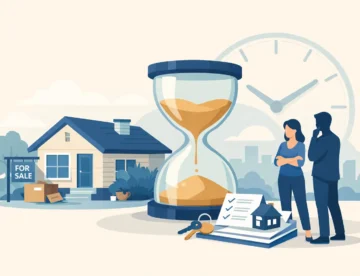
A leaking roof, old furnace, packed garage, or half-finished repairs can turn a normal listing into a drawn-out problem. That is why an as is home sale appeals to so many homeowners. If you need to move quickly, avoid repair costs, or just want a cleaner path forward, selling the property in its current condition can save time, stress, and money.
That said, an as-is sale is not one single thing. It can happen through a traditional listing, or through a direct cash buyer. The difference matters. If you are weighing your options, the real question is not just whether to sell as-is. It is how you want the process to feel, how fast you need to close, and how much uncertainty you are willing to take on.
What an as is home sale really means
An as is home sale means the seller is offering the property in its current condition. You are not agreeing to make repairs, replace systems, or bring the home up to retail standards before closing. The buyer understands that what they see is what they are buying.
That does not mean anything goes. In most cases, sellers still need to disclose known issues as required by state law. It also does not always mean the buyer will skip inspections or stop negotiating. In a listed as-is sale, a buyer may still ask for credits, price reductions, or concessions after walking through the property and reviewing inspection results.
This is where many homeowners get frustrated. They hear “as-is” and assume that means no repairs, no back-and-forth, and no surprises. Sometimes that happens. Sometimes it does not. It depends on who the buyer is and what kind of sale you choose.
When an as is home sale makes the most sense
As-is sales are often the right fit when life gets complicated faster than a normal listing process can keep up. If you inherited a house full of belongings, are dealing with divorce, need to relocate for work, or are trying to sell after a job loss or medical issue, speed and simplicity usually matter more than squeezing out every last dollar.
The same is true when the house itself is the problem. Maybe it needs foundation work, has water damage, outdated electrical, code issues, or years of deferred maintenance. Maybe the property is fine structurally, but the idea of cleaning, painting, staging, and keeping it show-ready feels impossible. In those moments, the convenience of selling as-is can outweigh the upside of a traditional retail sale.
There is also the emotional side. Some homes carry stress. A house tied to probate, hoarding, tenant damage, or personal safety concerns is not just a property issue. It is a life issue. An as-is sale can create relief because it removes tasks that feel too heavy to manage.
Two very different ways to sell as-is
This is where homeowners need clarity. You can sell as-is on the open market, or you can sell as-is directly to a cash buyer. Both options avoid pre-listing repairs, but the experience is usually very different.
If you list the property with an agent, you may still need photos, cleaning, access for showings, and time for buyer financing. Buyers shopping listed homes often compare your property to cleaner, updated homes nearby. Even if they know the house is being sold as-is, they may expect a discount and still come back after inspection asking for more.
A direct sale to a cash buyer is usually built around speed and certainty. There are no open houses, no repeated walkthroughs, and no waiting to see whether a lender will approve the deal. You share the property details, get an offer, and decide whether it works for you. If it does, closing can often happen on your timeline.
For many sellers, that trade-off is worth serious consideration. A listed sale may bring a higher headline price in some cases, but it can also bring holding costs, cleanup costs, repair pressure, commissions, and the risk that the deal falls apart. A direct cash offer may be lower than a top retail offer, but it can remove a long list of expenses and delays.
The biggest trade-off in an as is home sale
The key trade-off is price versus convenience, but even that is not as simple as it sounds.
A retail buyer may offer more if the market is strong and the house is in decent shape. But if the property needs work, you have to look at the whole picture. How much will repairs cost? How much time will cleanup take? What are your mortgage payments, taxes, insurance, and utilities while you wait? What happens if a financed buyer backs out after inspection or appraisal?
On the other side, a direct cash buyer is pricing the home based on current condition, local market value, repair needs, and the risk of taking the property as-is. You may not see the highest possible gross number, but you may end up with a stronger net result when you account for avoided repairs, fees, concessions, and months of carrying costs.
This is why the best option depends on your timeline and the condition of the property. If you have a clean, updated house and plenty of time, listing may make sense. If the house needs work or your situation is urgent, certainty often becomes more valuable than chasing a higher number that may never fully materialize.
What to expect from a direct as is home sale
A direct as-is sale should feel simple. You reach out, answer a few questions about the property, and share your timeline. The buyer reviews the home, either through photos, a short visit, or both, and then presents a cash offer. If you accept, the closing process moves forward without the usual layers of listing prep, buyer marketing, and lender delays.
The strongest direct buyers keep the process clear. They explain how they arrived at the offer, what costs they cover, and how quickly they can close. They do not pressure you to decide on the spot. They give you room to review the numbers and ask questions.
That matters, especially if you are already under stress. A fast sale should not feel confusing. It should feel like one less problem to carry.
How to tell if the offer is fair
Fair does not always mean identical to market value for a renovated home. In an as-is transaction, fairness comes from context. A fair offer reflects the property’s condition, the local market, the cost of repairs, and the convenience being provided.
Start by being honest about the house. If it needs a new roof, flooring, paint, cleanup, and mechanical updates, those costs are real. If the home has title issues, tenants, or delayed maintenance, those also affect value. Then compare that against what you would likely spend, and how long you would likely wait, to sell it another way.
You should also pay attention to how the buyer communicates. Clear terms, no hidden fees, and a realistic timeline are all good signs. If an offer sounds high but comes with vague conditions, long inspection periods, or room to renegotiate later, it may not be as strong as it first appears.
As is home sale questions homeowners should ask
Before moving forward, ask a few direct questions. Will you need to clean out the property? Are there service fees or commissions? Can the closing date match your timeline? What happens if title issues come up? Is the offer contingent on financing or a long inspection period?
These questions help separate a straightforward buyer from one that may create more friction later. In a real as-is sale, the goal is to reduce your workload, not shift more of it back onto you.
For homeowners in difficult situations, that difference is huge. A good buyer understands that speed matters, but so does follow-through. If you are selling during probate, divorce, relocation, or financial strain, you need more than a number. You need a process that actually works.
Why many sellers choose certainty over waiting
The traditional market works well for some homes and some timelines. But not every seller has the luxury of waiting, repairing, cleaning, and negotiating through multiple rounds of uncertainty. Sometimes the best decision is the one that gets the problem solved cleanly.
That is why companies like Hope Community Investments focus on direct cash purchases for homeowners who need a simpler option. For the right seller, the value is not just in selling fast. It is in avoiding the months of stress that often come before the sale ever happens.
If you are considering an as-is sale, trust the facts of your situation. Look at the condition of the home, your timeline, your energy, and your financial goals. The best sale is not always the one with the biggest price on paper. It is the one that gives you a real path forward.