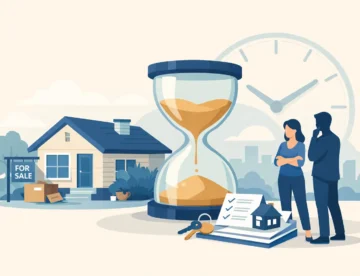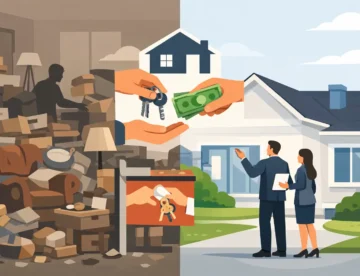
A leaking roof, old furnace, cracked foundation, or a house packed with years of belongings can make a normal home sale feel out of reach. That is why selling a house as is appeals to so many homeowners. If you are dealing with repairs you cannot afford, a sudden move, probate, divorce, or a property that simply became too much to manage, an as-is sale can offer a practical way forward.
The key is knowing what “as is” actually means. It does not mean you can hide problems. It does not guarantee a buyer will ignore the home’s condition. And it does not always mean a faster or easier sale unless you choose the right path.
What selling a house as is really means
Selling a house as is means you are offering the property in its current condition, without agreeing to make repairs or upgrades before closing. What buyers see is what they get. If the kitchen is outdated, the basement has moisture issues, or the home needs a new electrical panel, you are not promising to fix those items.
That said, as-is does not remove your legal obligations. In most cases, you still need to disclose known material issues. If you know the sewer backs up every spring or the garage has structural damage, that is not something to gloss over. An as-is sale protects you from repair demands you never agreed to, but it does not protect you from failing to disclose known problems.
This is where many sellers get mixed up. They assume “as is” means no questions asked. In reality, buyers will still evaluate risk. They may order an inspection, estimate repair costs, and decide whether the price makes sense for them.
Why homeowners choose to sell as is
Most people do not wake up wanting an unconventional sale. Usually there is a reason the traditional route no longer fits.
Sometimes the issue is money. A house may need $20,000 to $50,000 in work before it looks market-ready, and that cash is simply not available. Other times the bigger problem is time. A job transfer, illness, foreclosure pressure, or inherited property can make a long listing process feel impossible.
There is also the emotional side. Cleaning out a parent’s house after a death, coordinating a sale during divorce, or dealing with a property connected to bad memories can drain people fast. In those moments, avoiding repairs, showings, and open-ended negotiations is not just convenient. It is a relief.
The trade-off in an as-is home sale
There is no perfect sale method. Selling as is usually means you are trading top-dollar potential for speed, simplicity, and certainty.
If you list a house on the open market, invest in repairs, stage it well, and wait for the right buyer, you may get a higher price. But that path can also bring inspection demands, financing delays, appraisal issues, and weeks or months of uncertainty. For some sellers, that process works. For others, it adds more risk than reward.
With an as-is sale, especially to a direct cash buyer, you are usually accepting a lower price than a fully renovated retail listing might bring. In return, you may avoid repair costs, holding costs, agent commissions, repeated showings, and the chance of a deal falling apart late. When you look at the full picture, the “lower” offer is not always the worse financial outcome.
Selling a house as is on the market vs. to a cash buyer
There are two common ways to handle selling a house as is. You can list it with an agent and market it as-is, or you can sell directly to a cash buyer.
If you list with an agent, your home reaches a wider pool of buyers. That can help if the property is still financeable and only needs cosmetic work. But many traditional buyers want homes in move-in condition. Even if they submit an offer, they may ask for credits, repairs, or price reductions after inspection. If the home has major issues, lender requirements can become another obstacle.
A direct cash buyer is different. They are typically prepared to evaluate the property based on its current condition and buy it without asking you to fix it first. That can be especially helpful if the house has deferred maintenance, code issues, storm damage, hoarding conditions, or tenant problems. The process is usually much faster and more predictable, though the price will reflect the work and risk the buyer is taking on.
Neither option is automatically better. It depends on the house, your timeline, and how much hassle you are willing to tolerate.
What affects the offer price
A lot of sellers worry that “as is” means they will get a random lowball offer. A serious buyer should not be guessing. They should be looking at a few basic factors.
The first is the property’s current condition. Major repairs like foundation work, roof replacement, water damage, mold remediation, and outdated systems affect value quickly. The second is location. A fixer-upper in a strong neighborhood may still attract solid interest, while a similar house in a slower market may be harder to move.
The third factor is the cost of carrying the property. Mortgage payments, taxes, insurance, utilities, cleanup, and maintenance all add up while the home sits. If selling fast helps you avoid months of ongoing expense, that savings matters. The fourth is your timeline. If certainty matters more than squeezing out every dollar, a straightforward cash offer can carry real value.
Common mistakes sellers make
The biggest mistake is overpricing based on what remodeled homes are selling for nearby. A home that needs major work is not competing with updated listings. Buyers will compare it to other fixer-uppers and subtract the repair costs they expect to face.
Another mistake is spending money on the wrong repairs. If the house needs everything, replacing one vanity or repainting a bedroom may not change the outcome much. In some cases, small cleanup steps help. Removing trash, mowing the lawn, and making the property accessible can improve first impressions. But major renovation usually only makes sense if you have time, cash, and a clear return.
Some sellers also wait too long. They hold out, hoping circumstances will improve, while the property keeps getting more expensive to own. If the home is vacant, damage can worsen. If payments are behind, options can narrow. Acting earlier often gives you more control.
How to know if an as-is sale makes sense
Selling a house as is makes sense when the cost, time, or stress of preparing the property for market outweighs the upside. That can happen when repairs are significant, the property is inherited, tenants are difficult, or your life situation does not leave room for a drawn-out sale.
It can also make sense when certainty matters. If you need to relocate quickly, settle an estate, stop the financial drain of a vacant house, or move on from a difficult chapter, the cleanest sale is often the best one.
For homeowners in the Twin Cities metro or western Wisconsin, this is often less about the house itself and more about the situation around it. A fast sale can create breathing room when everything else feels unsettled.
What a simple as-is process should look like
A good as-is sale should feel clear, not complicated. You share basic information about the property, the buyer reviews the details and condition, and you receive a no-obligation offer. If the offer works for you, the closing timeline should fit your needs, whether that means moving quickly or taking a little more time.
You should not be pushed into repairs, deep cleaning, or a long list of tasks before closing. You should also know who is paying for what and when the sale can actually close. Clarity matters more than sales talk.
That is why many homeowners choose experienced direct buyers like Hope Community Investments when they need speed and certainty. The goal is not to create more work for you. It is to help you sell the property in its current condition and move forward without extra delays.
A fair question to ask before you decide
Before choosing any path, ask yourself one simple question: do you want the highest possible price, or do you want the best overall outcome for your situation?
Those are not always the same thing. A traditional sale can work well when the home is in solid shape and your timeline is flexible. But if the house needs work and life is already complicated, selling as is can be the most practical and least stressful option.
The right sale is the one that fits real life, not the one that looks best on paper. If an as-is offer gives you speed, clarity, and a way to move on without sinking more money into the property, that can be a strong outcome. Sometimes peace of mind is part of the value.