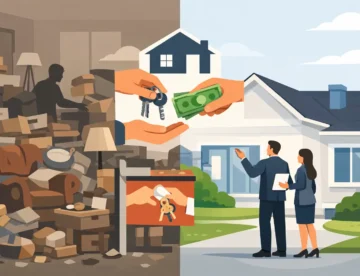
A house can become a problem fast. One unexpected move, a divorce filing, an inherited property full of belongings, or a repair bill you cannot take on, and the usual advice to list with an agent may not feel helpful at all. That is often why do home sellers prefer cash becomes such a common question – because for many people, a cash sale solves the real problem faster than a traditional sale does.
The short answer is simple: sellers prefer cash when they value certainty, speed, and convenience more than the possibility of a higher price after weeks or months on the market. For some homeowners, that trade-off is worth it immediately. For others, it depends on the condition of the house, the timeline, and how much stress they are willing to carry through the process.
Why do home sellers prefer cash in real life?
Most homeowners do not wake up hoping for a complicated sale. They want the property sold, the money available, and the process behind them. A cash offer can do that with fewer moving parts.
In a traditional sale, there are often repairs, cleaning, photos, showings, negotiations, inspections, financing delays, and the chance that the buyer backs out. Even when everything goes well, it can still feel like a second job. Cash buyers remove much of that friction. There is usually no lender involved, no need to wait on mortgage approval, and less pressure to fix every issue before closing.
That matters even more when life is already messy. If someone is dealing with probate, job loss, medical issues, or a sudden relocation, they are not always trying to squeeze every last dollar out of the property. They are trying to make a difficult situation manageable.
Speed is often the biggest reason
Time changes everything in real estate. A house that sits too long can create mortgage strain, tax pressure, insurance concerns, utility bills, and ongoing maintenance costs. If the home is vacant, the stress gets worse. Vacant houses can attract vandalism, theft, code violations, and weather damage.
A cash sale can shorten the timeline dramatically. Instead of preparing the home for the market and waiting for the right financed buyer, the seller may be able to get an offer quickly and close in a matter of days or weeks. That speed is not just convenient. In many cases, it prevents the situation from becoming more expensive.
This is especially true for homeowners facing foreclosure pressure, landlords with problem properties, or families trying to settle an estate. When delay has a real cost, a fast sale is not a luxury. It is relief.
Certainty matters more than people expect
A financed offer can look strong on paper and still fall apart. Lenders can deny the loan, appraisals can come in low, underwriting can drag on, and buyer circumstances can change at the last minute. Sellers often learn this after they have already packed, scheduled movers, or made plans for the next step.
Cash reduces that uncertainty. Without a mortgage lender in the middle, there are fewer approval hurdles and fewer opportunities for the deal to break down. That does not mean every cash offer is equal, but a real cash buyer with proof of funds usually gives the seller a clearer path to closing.
That certainty has emotional value. When someone is selling during a divorce, after a death in the family, or because they need to move for safety or work, they often care just as much about knowing the deal will close as they do about the exact sale price.
Cash buyers usually buy homes as-is
This is one of the biggest reasons sellers choose cash. Many houses need more work than the owner wants to handle. Sometimes it is obvious, like roof damage, foundation issues, old plumbing, smoke damage, or outdated electrical systems. Other times it is simply years of deferred maintenance, clutter, or cosmetic wear that makes the home hard to show.
Listing a house in poor condition usually means spending money before the sale even starts. Sellers may need to clean out the property, hire contractors, paint, replace flooring, fix code issues, or deal with inspection demands later. That takes time, cash, and energy.
A direct cash buyer will often purchase the property in its current condition. That means the seller can skip repairs, skip prepping for showings, and skip trying to make the house appeal to retail buyers. For people already stretched thin, that is a major advantage.
Fewer fees and less hassle
Traditional sales come with costs that add up quickly. Agent commissions, closing costs, repairs, staging, storage, cleaning, and holding costs can eat into the final proceeds. Even sellers who get a strong contract price do not always walk away with what they expected.
Cash sales are not automatically better in every financial scenario, but they are often simpler. The seller usually knows sooner what the net result looks like. There are fewer surprise expenses, fewer service providers involved, and fewer weeks spent carrying the property while waiting for closing.
For some homeowners, simplicity is the real win. They would rather accept a fair cash offer now than spend months chasing a higher number that may shrink after concessions, delays, and repair requests.
Why do home sellers prefer cash during major life events?
Because major life events rarely leave room for a perfect listing strategy. When life gets hard, people need workable options, not added pressure.
An inherited house is a good example. Family members may live out of state, disagree on repairs, or feel overwhelmed by the amount of work needed to clear the property. A cash sale can reduce conflict and move the estate forward.
The same is true in divorce. A long listing process can keep both parties tied to the property longer than they want. Selling for cash can create a cleaner break and a faster path to dividing proceeds.
Health issues create another kind of urgency. If a homeowner or family member needs to move closer to care, downsize quickly, or avoid the burden of preparing a property for market, speed and convenience become more important than the ideal retail process.
Relocation, job loss, and personal safety concerns can create the same dynamic. In those moments, a house is not just an asset. It is a responsibility that may need to be converted into cash quickly.
The trade-off is real
A cash offer is not always the highest possible offer. That is the part sellers should understand clearly. If a home is in great condition, the market is strong, and the seller has time to list, clean, show, negotiate, and wait for financing, a traditional sale may produce more money.
But the highest possible price is not the only goal. Net proceeds, timeline, risk, and effort all matter. A homeowner who needs to spend $25,000 on repairs, carry the property for three more months, and survive a shaky financed contract may decide that a lower but reliable cash offer is actually the better outcome.
That is why the answer depends on the seller’s situation. Cash is attractive when convenience and certainty have real value. For many stressed homeowners, they do.
What sellers are really buying when they accept cash
They are buying time back. They are buying fewer decisions, fewer delays, and fewer opportunities for the sale to go off track. They are buying a way around repairs they cannot afford or do not want to manage.
They are also buying emotional relief. Selling a home the traditional way can be exhausting when the property is tied to grief, conflict, financial strain, or a major transition. A direct cash sale turns a long process into a shorter one with fewer demands.
That is why companies like Hope Community Investments exist. Not every seller wants a retail listing, and not every house fits one easily. Sometimes the best solution is the one that removes obstacles instead of adding more of them.
If you have been wondering why cash appeals to so many homeowners, the answer usually comes down to this: when the goal is fast, fair, and certain, cash often feels like the most practical path forward. And when life is already heavy, practical matters a lot.